

How Diet Influences Dog Behavior, Mood, and Training Success
Posted by Volhard Dog Nutrition on Apr 2nd 2026
For many dog owners, challenges like constant scavenging, restlessness, reactivity, or an inability to focus are often regarded as nothing more than behavioral issues.
But as Arnold, an experienced trainer from K9 Basics shares in our podcast conversation, behaviour is rarely just about what a dog does.
With a background as a military working dog trainer and now serving as Training Director at K9 Basics, Arnold has spent years evaluating dogs as a whole. Not just their obedience or habits, but their physical condition, daily routine, and what the dog eats to understand how their diet may be affecting their behavior.
Dogs that cannot settle. Dogs that constantly eat everything in sight. Dogs that seem “difficult” or “unfocused.” And often, there is a common thread running beneath it all.

The Gut-Brain Connection in Dogs
A dog’s behavior is not just shaped by training or environment. It is closely linked to what is happening inside the body. The digestive system plays a key role in overall health, including the nervous system.
Behavior Starts in the Body
When the body is supported, dogs are more likely to feel calm, focused, and able to respond to training. When something is off internally, it can show up as restlessness, reactivity, or difficulty settling.
How Gut Health Shapes Mood, Focus, and Stability
The gut is involved in producing important chemicals that influence mood and behaviour. When digestion is functioning well, dogs tend to have more stable energy and better emotional balance.
If the gut is disrupted, it can contribute to discomfort, inflammation, and inconsistent energy levels. This may appear as poor focus, impulsive behavior, or an inability to relax. Supporting gut health helps create a more stable foundation for learning and behavior.

When Behavior Issues Signal Dietary Imbalances
Some behaviors that are often labeled as bad habits can be early signs of a nutritional imbalance.
- Scavenging, Chewing, and “Garbage Gut”:
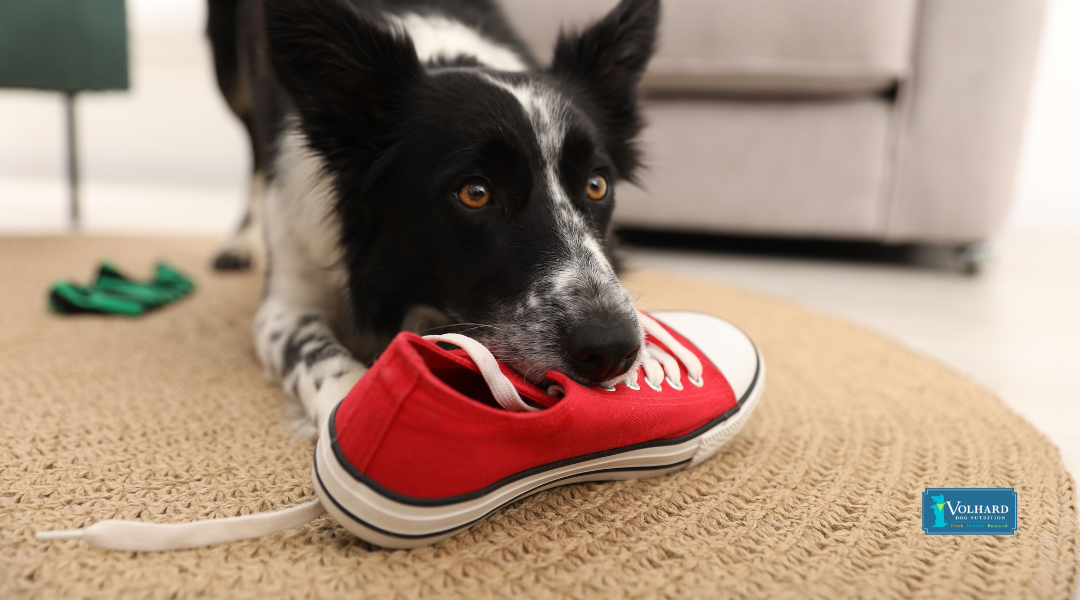
Dogs that constantly chew or ingest non-food items like sticks, dirt, feces, or household objects may be trying to compensate for something missing in their diet. This goes beyond typical chewing and becomes a pattern of actively consuming whatever is available.
- Sourcing From the Environment:
Dogs naturally explore with their noses, but persistent scavenging can signal a deeper need. When a dog is focused on finding and eating anything on the ground, it may be an attempt to source nutrients from the environment.
This is often seen in dogs that seem unable to disengage from searching behaviors. Improving diet quality can help reduce this drive by meeting the dog’s nutritional needs more effectively.
- Distinguishing Boredom From Biological Need:
Boredom typically shows up as occasional chewing or attention-seeking actions, especially when a dog lacks stimulation.
Nutrition-driven behavior tends to be more persistent with a strong fixation on ingestion rather than play. If a dog is consistently trying to eat non-food items, it is worth considering whether their diet is fully supporting their needs.
The Impact of Highly Processed Diets
Highly processed diets can affect more than just physical health. Many commercial foods rely heavily on refined carbohydrates and ingredients that are altered during processing. While these diets may meet some surface nutritional requirements, they can be harder for some dogs to digest and utilize efficiently.
These highly processed diets can influence energy levels, overall comfort, and behavior. When a dog’s diet does not provide steady, balanced nourishment, it may contribute to inconsistent mood and difficulty with focus or regulation.
Blood Sugar, Energy, and Emotional Regulation
Food plays a key role in how energy is released throughout the day. Diets that are high in rapidly digestible carbohydrates can lead to quick increases in blood sugar followed by sharp drops.
These fluctuations can affect how a dog feels and behaves. Stable energy supports clearer thinking, better responsiveness, and a more balanced emotional state. When energy levels are inconsistent, it can be harder for a dog to remain calm and engaged.
Spikes, Crashes, and Unsettled Behavior
Blood sugar spikes and crashes may show up as bursts of hyperactivity followed by fatigue or irritability. Some dogs may seem overly excitable, struggle to settle, or become restless at certain times of the day.
These patterns are not always linked to training or routine alone. In some cases, they reflect how the body is processing food. Providing more balanced nutrition can help support steadier energy and more consistent behavior.
Food Sensitivities and Hidden Stress Responses
Not all food-related issues show up as obvious digestive upset. Some dogs experience sensitivities or intolerances that create ongoing, low-level stress in the body.
This can affect how they feel day to day and may present as behavioral changes rather than clear physical symptoms.
When a dog is uncomfortable, even subtly, it can lower their tolerance and make it harder for them to remain calm, focused, or responsive.
- Itching, Irritation, and Reactivity:
Ongoing itching, skin irritation, or ear discomfort can make dogs more sensitive to their environment. When a dog feels physically irritated, they may become less patient and more reactive to touch, noise, or movement. What looks like an overreaction can sometimes be a response to underlying discomfort.
- Discomfort and Aggression:
Dogs that are in pain or discomfort are more likely to guard themselves. This may show up as snapping, avoidance, or resistance when being handled. In some cases, aggression is not a behavioral issue alone but a protective response to something that does not feel right internally.
- How Internal Discomfort Changes External Behaviour:
Internal stress can influence how a dog interacts with the world. A dog that feels unwell may struggle to settle, show signs of anxiety, or have difficulty focusing during training. These behaviors are often a reflection of how the dog is feeling rather than a lack of training or structure.
- Chronic Issues That Influence Reactivity:
Recurring problems such as ear infections, digestive upset, or gland issues can keep a dog in a constant state of discomfort. Over time, this can lead to increased reactivity or sensitivity, especially in situations that involve touch or close interaction.
How Diet Supports Training Outcomes
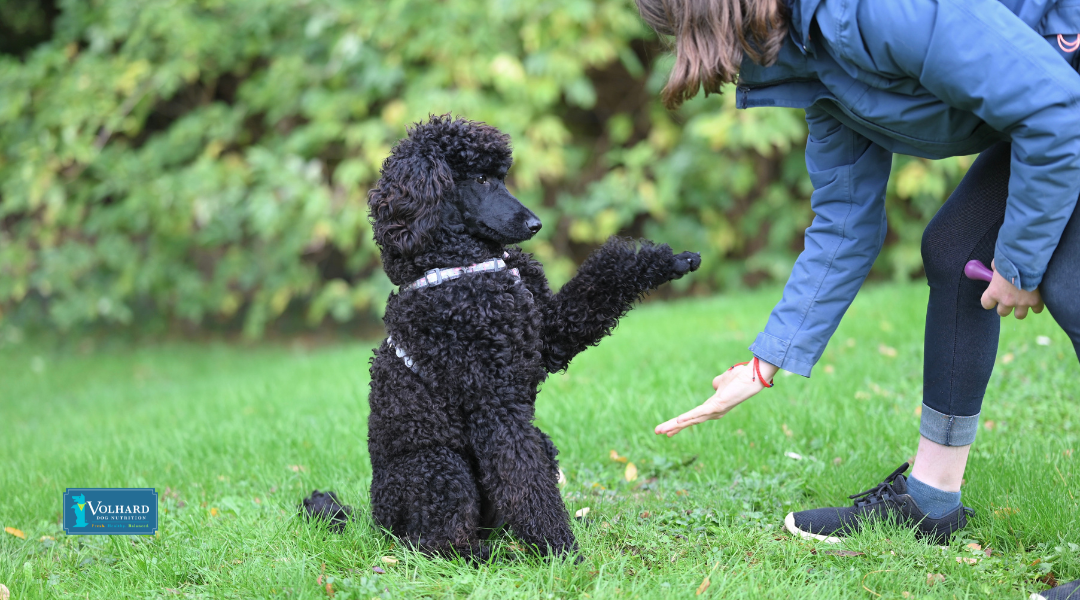
Training is most effective when a dog is able to focus, process information, and respond consistently. Diet plays a foundational role in this. At Volhard, we approach nutrition as part of the whole dog, not separate from behavior or training.
When a dog is properly nourished with balanced, whole food nutrition, they are better equipped both physically and mentally to engage in learning. Stable energy, proper nutrient intake, and digestive support all contribute to clearer thinking and more reliable responses during training.
Focus, Engagement, and Trainability
Dogs fed a balanced, nutrient-dense diet, such as Volhard’s fresh, whole-food approach, often lead to more consistent attention and engagement. They are less likely to be distracted by internal discomfort or fluctuating energy levels.
This allows them to stay present, respond more clearly to cues, and build stronger associations during training. When a dog feels well, participation becomes easier and more natural.
Why a Balanced Dog Learns More Easily
A balanced dog is a more capable learner. With Volhard’s focus on complete and thoughtfully formulated nutrition, dogs receive the building blocks needed to support both body and mind.
This helps promote steady energy, emotional stability, and overall well-being.
When those pieces are in place, dogs are able to absorb and retain information more effectively, making training smoother, more consistent, and more rewarding for both dog and owner.
Your dog’s behavior is not just shaped by training. It is influenced by how they feel every single day. When you support their body with the right nutrition, you create a stronger foundation for calmness, focus, and learning.
Support Your Dog From the Inside Out with Volhard!
For more advice on dog nutrition, health, and training, contact us and check out our other blogs, too!
Volhard Dog Nutrition and its expert canine nutrition coaches offer online consultations to help more dog parents discover why and how to feed their dogs the healthiest foods!
Speaking to a Volhard canine nutrition coach will help you understand the inseparable relationship between healthy food, a healthy body, and a healthy mind.
If you want to contact one of our Volhard canine nutrition coaches, you can do so by utilizing our Live Chat feature or scheduling a consultation.
Reference List:
“My Pet Nutritionist.” How Foods Can Alter Your Pet’s Behaviour and Mood.
My Pet Nutritionist, 6 Dec. 2025,
https://mypetnutritionist.com/post/how-foods-can-alter-your-pets-behaviour-and-mood/.
Hardman, Barbara J. Gastrointestinal Health and Behaviour: The Hidden Connection in Dogs.
BrightHound, 1 Oct. 2024,
https://www.brighthound.ie/blog/06_gastrointestinal/.
“Diet and the Gut Microbiome in Canine Behavior.”
PubMed Central (PMC), U.S. National Library of Medicine,
https://pmc.ncbi.nlm.nih.gov/articles/PMC9478664/.
“Nutrition, Gut Health, and Behaviour in Dogs.”
PubMed Central (PMC), U.S. National Library of Medicine,
https://pmc.ncbi.nlm.nih.gov/articles/PMC11273744/.
“Gastrointestinal Disease, Gut Health, and Your Dog’s Behavior.”
Veterinary Partner (VIN), 18 Sept. 2025,
https://veterinarypartner.vin.com/default.aspx?pid=19239&catId=254081&id=12860920.