
Why Do Some Dogs Eat Soil and Poop? Causes, Health Risks, and How to Stop It
Posted by Volhard Dog Nutrition on Feb 5th 2026
It can be shocking and frustrating to catch your dog eating soil or animal waste during a simple walk or backyard break.
While many owners assume it’s just “dogs being dogs,” this behavior is often your dog’s way of signaling that an underlying imbalance may be present.
Dogs may turn to dirt and stool as an instinctual response to nutritional or digestive gap but, unfortunately, can expose them to parasites, bacteria, toxins, and serious digestive complications.
The good news? You can protect your dog’s health and safety, and naturally stop the habit through nutrition and management.
What It Means When Dogs Eat Soil and Feces
When dogs repeatedly consume non-food items like dirt, rocks, sand, or feces, the behavior typically falls into two categories: pica and coprophagia.
Pica is the compulsive eating of non-nutritive substances such as soil, mud, or foreign objects.
Coprophagia is the act of eating feces, either their own or from other animals.
Both behaviors often stem from underlying nutritional deficiencies, digestive imbalances, instinctual scavenging, boredom, stress, or learned habits.
Dogs are not simply being mischievous; they are usually responding to unmet biological needs or environmental triggers.
Why Does My Dog Eat Soil?
Soil eating is one of the most common forms of pica in dogs. Although it may appear random, it is often associated with internal deficiencies or digestive discomfort.
Dogs often eat soil, which may be linked to:
- Trace minerals missing from their diet
- Digestive support
- Microbial diversity
- Microbial elements linked to gut imbalance
Dirt consumption can also be triggered by nausea, acid reflux, boredom, or anxiety. Repeated soil eating should never be ignored, as it can expose dogs to parasites, toxins, fertilizers, and harmful bacteria.
Why Do Dogs Eat Animal Poop?
Coprophagia is unpleasant but surprisingly common, especially in dogs with incomplete or poorly digested diets.
Dogs are often drawn to feces because:
- It contains undigested nutrients and enzymes
- The smell signals protein and fat
- Their gut microbiome is craving missing elements
From an instinctual perspective, dogs evolved to consume partially digested plant and nutrient matter from prey waste. Some modern diets may lack these components, particularly if not properly balanced.
Nutritional Deficiencies Are a Major Hidden Cause
Missing Digestive Enzymes
Digestive enzymes break down food into usable nutrients. When dogs don’t produce enough enzymes, or their diet lacks natural enzyme support, large portions of their food pass through only partially digested. This creates two major problems: cellular nutrient deficiency and persistent digestive discomfort.
Because their bodies are not extracting what they need, dogs may begin seeking external biological sources of enzymes. Feces, especially from other animals, still contain active digestive enzymes and fermented nutrients. Soil is also rich in microbial life that mimics natural digestive support.
Lack of Plant Nutrients and Fiber
Canines consumed the stomach contents of prey, which provided vegetation, roughage, plant enzymes, and phytonutrients that supported digestion and gut balance.
These plant components regulate intestinal movement, feed beneficial bacteria, and help the body properly process protein and fat.
Many modern diets may lack diverse plant fiber and phytonutrients. Without fiber and plant matter, digestion slows, stools become nutrient-dense, and the gut microbiome becomes imbalanced.
Dogs instinctively attempt to seek that missing roughage by eating grass, soil, or feces because these are the closest available sources of decomposed plant material and microbial fiber.
Mineral Imbalances
Trace minerals play a critical role in nerve function, metabolism, immune health, and enzymatic activity. Soil contains trace minerals that may attract dogs when mineral balance is off.
Dogs experiencing mineral gaps are not randomly eating dirt. Dogs may be instinctively drawn to the scent and texture of soil when nutritional balance is compromised.
The Health Risks Behind the Behavior
While these materials do contain residual digestive enzymes, fermented nutrients, plant matter, bacteria, and trace minerals, they are completely unsafe and uncontrolled.
Soil and animal waste are also loaded with parasites, harmful bacteria, chemical contaminants, toxins, and indigestible debris.
What appears to be nutritional self-correction can quickly expose dogs to infections, gastrointestinal damage, poisoning, and dangerous intestinal blockages.
Parasites, Bacteria, and Toxins
Soil and feces are loaded with harmful organisms and environmental contaminants that dogs cannot safely process. These include intestinal parasites such as roundworms, hookworms, whipworms, giardia, and coccidia, which are commonly transmitted through contaminated waste or ground surfaces.
Animal feces also harbor dangerous bacteria like salmonella, E. coli, and campylobacter. Soil can contain fertilizers, pesticides, herbicides, mold spores, and chemical residues that are toxic when ingested. Even small amounts can lead to infection, poisoning, or long-term internal damage.
Gut Inflammation and Chronic Digestive Issues
Foreign bacteria and parasites introduced through stool or soil disrupt the natural gut microbiome. This imbalance often triggers inflammation in the digestive tract, leading to diarrhea, vomiting, gas, poor nutrient absorption, and chronic gastrointestinal sensitivity.
Over time, repeated exposure can weaken the gut lining and immune response, making dogs more prone to recurring infections, food intolerance, and ongoing digestive distress.
Blockages and Foreign Material Dangers
Soil frequently contains sand, stones, sticks, roots, and debris that dogs cannot digest. When consumed, these materials can accumulate in the stomach or intestines and create dangerous obstructions.
How to Safely Stop the Habit
Because the behavior is often driven by internal deficiencies and instinct, the most effective approach combines nutritional support with management and training.
Step 1: Fix the Diet First
Volhard’s Veggie Pak Supports Dogs Prone to Soil and Poop Eating
Veggie Pak supports the vegetation component that dogs instinctively seek in nature. It satisfies biological nutritional needs, helping reduce the drive to search for those nutrients in soil or feces.
- Provides natural plant-based enzymes that support proper digestion
- Supplies essential fibre that regulates the gut and reduces scavenging cravings
- Adds vital phytonutrients and trace minerals often missing from modern diets
Ideal for Dogs on Raw OR Kibble Diets
Bridges gaps in incomplete feeding plans. Whether feeding raw or processed food, Veggie Pak can support dogs prone to Coprophagia and Pica.
Step 2: Include Helpful Treats in Your Dog’s Diet
Raw meaty bones/fur are also an important treat for your dog. This natural treat allows for roughage in the diet. In turn, this reduces the temptation to fill this need with soil or feces.
Dogs have a natural need to chew and work through fibrous material. When that need isn’t met, they often try to satisfy it by chewing inappropriate items or eating grass.
Raw meaty bones and fur-on treats provide natural roughage and a safe outlet for this instinct. These treats support digestion, encourage slow, purposeful chewing, and help satisfy natural prey-drive behaviors.
When dogs receive appropriate roughage, the urge to seek it elsewhere is reduced, leading to calmer behavior and fewer unwanted chewing habits.
Step 3: Manage Environment
- Remove feces from the yard immediately
- Block access to litter boxes
- Supervise outdoor time
- Use a leash in high-risk areas
Reducing opportunities prevents the habit from being reinforced while the nutritional changes take effect.
Step 4: Reinforce Leave-It Command
- Practice impulse control daily
- Reward disengagement from ground distractions
- Stay consistent and calm
- Redirect attention immediately
Training helps break the behavioral loop, but it works best when paired with correcting dietary deficiencies.
When to Seek Veterinary Help
Persistent soil or feces eating can signal an underlying medical issue that requires professional evaluation.
Seek veterinary care if you notice:
- Diarrhea, vomiting, bloating, or appetite changes
- Signs of parasites, such as worms in stool or scooting
- Lethargy, weight loss, or changes in behavior
- Possible ingestion of contaminated soil, pesticides, or waste
A veterinarian can rule out gastrointestinal disease, nutrient malabsorption, anemia, enzyme deficiencies, or parasitic infections that may be driving the behavior.
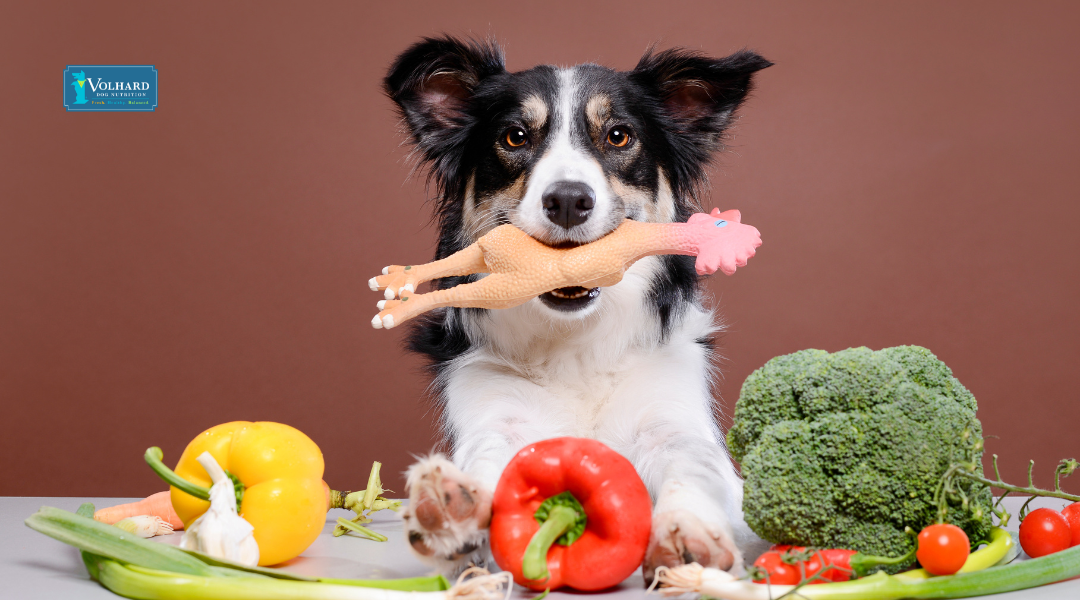
Veggie Pak Can Help Support Dogs Prone to Coprophagia & Pica!
For more advice on dog nutrition, health, and training, contact us and check out our other blogs, too!
Volhard Dog Nutrition and its expert canine nutrition coaches offer online consultations to help more dog parents discover why and how to feed their dogs the healthiest foods!
Speaking to a Volhard canine nutrition coach will help you understand the inseparable relationship between healthy food, a healthy body, and a healthy mind.
If you want to contact one of our Volhard canine nutrition coaches, you can do so by utilizing our Live Chat feature or scheduling a consultation.
References:
- American Kennel Club. "Why Does My Dog Eat Dirt?" American Kennel Club, 17 Oct. 2022, www.akc.org/expert-advice/health/why-does-my-dog-eat-dirt/.
- American Kennel Club. "Why Dogs Eat Poop And How To Stop It." American Kennel Club, 27 Oct. 2025, www.akc.org/expert-advice/health/why-dogs-eat-poop/.
- Diener, Michelle. PetMD. "Why Do Dogs Eat Dirt? 30 Nov. 2021, https://www.petmd.com/dog/behavior/why-do-dogs-eat-dirt
- "Why Do Dogs Eat Dirt? Reasons, Dangers, Treatment, and Prevention." Native Pet, https://nativepet.com/blogs/health/why-do-dogs-eat-dirt-reasons-dangers-treatment-and-prevention