

Is Butter Harmful to Dogs?
Posted by Volhard Dog Nutrition on Aug 20th 2026
Butter is a common ingredient in many kitchens, so it's no surprise that many dog owners wonder whether it's safe to share with their pet.
You may have heard that butter is unhealthy for dogs, while others recommend adding it to fresh meals. With so much conflicting advice online, it can be difficult to know what's actually best.
The truth depends on several factors, including your dog's overall diet, health, and the type of butter being offered.
Understanding when butter may have a place and when it is better left off the menu can help you make more informed decisions about your dog's nutrition.
Can Dogs Eat Butter?
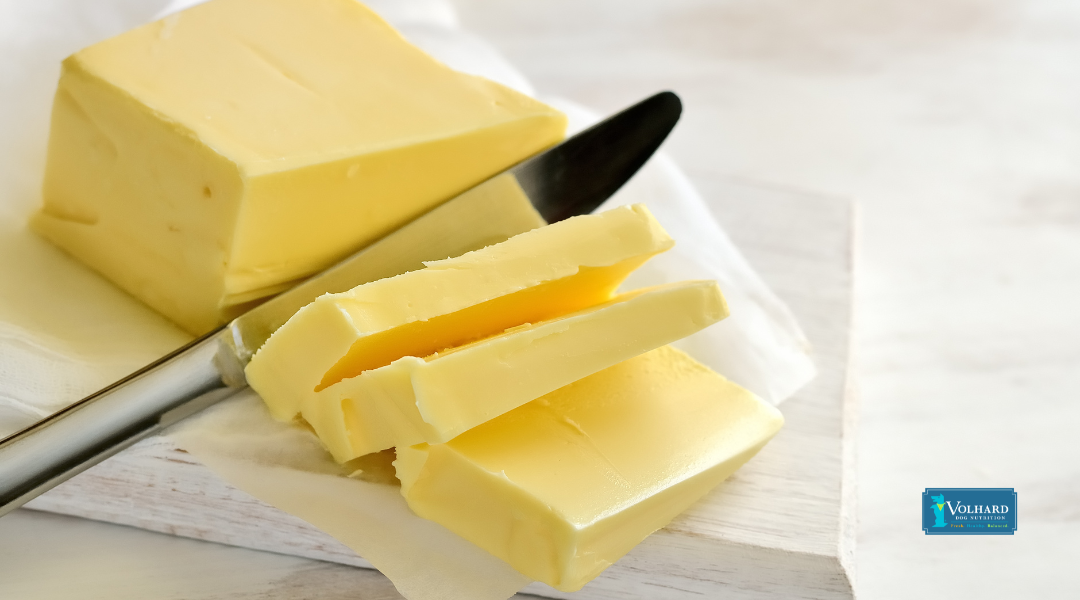
Yes, dogs can eat butter, but that doesn't mean it should become a regular part of their diet. Butter is not toxic to dogs, so a small amount eaten accidentally is unlikely to cause harm to an otherwise healthy dog. However, because butter is high in saturated fat and calories, feeding too much or too often may contribute to weight gain or digestive upset.
There are situations where butter may be used more intentionally. Dogs eating certain fresh food diets that include very lean proteins, such as venison, may benefit from an additional source of fat to help balance the meal.
In these cases, a small amount of high-quality, grass-fed butter may be recommended as part of a carefully formulated diet rather than as an everyday treat.
It is also important to remember that not every fresh feeding program requires added fats. Some complete diets already contain the oils and nutrients needed to provide balanced nutrition. For example, Volhard Dog Nutrition's NDF2, Rescue, and the AM/PM feeding system already include a high-quality oil, so additional butter is generally unnecessary when meals are prepared as directed.
Butter vs Margarine
If you are choosing between butter and margarine, butter is the better option. Traditional butter contains natural milk fat, while many margarines are highly processed and may contain ingredients that offer little nutritional value for dogs.
Some margarines may also include additives, artificial flavorings, preservatives, or sweeteners that are not suitable for canine consumption. While ingredient lists vary between brands, margarine should generally be avoided.
If your dog's diet requires additional fat, choose a high-quality source instead. Grass-fed butter or grass-fed beef tallow are often preferred because they are less processed and provide a more natural source of dietary fat.
Before making any changes to your dog's diet, it's always best to ensure the overall meal remains nutritionally balanced.
When Butter Is Appropriate for Dogs
While butter is not an essential part of a dog's diet, there are situations where adding a healthy source of fat may be appropriate.
This depends on the type of food being fed and whether the meal already provides a complete nutritional balance.
The goal is never to add butter simply because it is available, but to ensure the diet contains the right amount of healthy fat for your dog's individual needs.
Dogs Eating Homemade or Fresh Diets
Many homemade and fresh feeding plans require owners to add a source of healthy fat when preparing meals. This is especially true for some dehydrated base mixes, where oils or other fats must be added separately to help create a balanced meal.
Healthy fats play an important role in canine nutrition. They provide energy, support healthy skin and coat, aid the absorption of fat-soluble vitamins, and contribute to overall wellbeing. Without an adequate fat source, even a fresh diet made with high-quality ingredients may be nutritionally incomplete.
Volhard Diets Differ from Other Fresh Feeding Systems
Volhard Dog Nutrition's complete formulas already contain a high-quality oil as part of the recipe. When prepared according to the feeding instructions, there is generally no need to add butter or another fat source because the diet is already designed to provide balanced nutrition.
This is one of the differences between Volhard and other fresh-feeding programs that rely on owners to supply additional oils or fats during meal preparation.
Some Low-Fat Proteins May Benefit From Added Fat
Some proteins are naturally much leaner than others. Venison, rabbit, and certain game meats contain less fat than proteins such as beef or turkey.
When these lean proteins are fed as part of a fresh diet, an additional fat source may sometimes be recommended to help maintain an appropriate nutritional balance.
In these situations, high-quality grass-fed butter or grass-fed beef tallow can be suitable options when used in a balanced recipe.
These natural fat sources are generally preferred over highly processed alternatives like margarine.
The amount added should always be based on the overall diet rather than added at random, ensuring your dog receives the nutrients they need without excess calories or fat.

Other Healthy Fat Sources for Dogs
Butter is only one possible source of dietary fat, and in many cases, there are other options that may be better suited to your dog's nutritional needs.
The best choice depends on your dog's overall diet, activity level, and the protein being fed. Rather than focusing on a single ingredient, it's important to ensure your dog receives a balanced combination of healthy fats.
Grass-Fed Beef Tallow
Grass-fed beef tallow is a natural fat source that can be a good option for dogs on fresh or homemade diets, particularly when lean proteins are fed. It provides concentrated energy and naturally occurring fatty acids while being minimally processed.
As with butter, quality matters. Choosing tallow from grass-fed cattle helps ensure you're using a high-quality ingredient without unnecessary additives or artificial ingredients. Tallow should be used to complement a balanced diet rather than as a standalone supplement.
Fish Oils and Other Omega-3 Sources
Fish oils are one of the best sources of omega-3 fatty acids for dogs. These essential fats support healthy skin and coat, joint function, brain health, and a normal inflammatory response throughout the body.
When selecting a fish oil, choose a high-quality product that has been tested for purity and freshness to help ensure it is free from contaminants.
If you're feeding a complete diet such as Volhard Dog Nutrition, many of the essential fats your dog needs are already included in the carefully balanced formula.
Before adding any additional fat source or supplement, consider whether your dog's current diet already provides the nutrients they require.

Give Your Dog Complete, Balanced Nutrition With Volhard Dog Nutrition!
For more advice on dog nutrition, health, and training, contact us and check out our other blogs, too!
Volhard Dog Nutrition and its expert canine nutrition coaches offer online consultations to help more dog parents discover why and how to feed their dogs the healthiest foods!
Speaking to a Volhard canine nutrition coach will help you understand the inseparable relationship between healthy food, a healthy body, and a healthy mind.
If you want to contact one of our Volhard canine nutrition coaches, you can do so by utilizing our Live Chat feature or scheduling a consultation.
References:
American Animal Hospital Association. 2021 AAHA Nutrition and Weight Management Guidelines for Dogs and Cats Executive Summary. AAHA, 4 Aug. 2021, https://www.aaha.org/trends-magazine/publications/nutritional-guidelines/.
Cridge, Harry, Valerie J. Parker, and Aarti Kathrani. "Nutritional Management of Pancreatitis and Concurrent Disease in Dogs and Cats." Journal of the American Veterinary Medical Association, vol. 262, no. 6, 2024, pp. 834–840, https://pubmed.ncbi.nlm.nih.gov/38569533/.
PetMD. "Can Dogs Eat Butter?" PetMD, 16 Nov. 2022, https://www.petmd.com/dog/nutrition/can-dogs-eat-butter.
PetMD. "Fats for Dogs." PetMD, https://www.petmd.com/dog/nutrition/fats-for-dogs.
World Small Animal Veterinary Association. Global Nutrition Guidelines. WSAVA, https://wsava.org/global-guidelines/global-nutrition-guidelines/.