

What is the Best Dog Food for Labrador Retrievers?
Posted by Volhard Dog Nutrition on Mar 5th 2026
Labrador Retrievers are known for their intelligence, loyalty, and joyful energy.
What you choose to feed your Labrador Retriever directly affects their muscle strength, joint health, digestion, and long-term well-being.
Because Labradors are naturally active and often highly food motivated, choosing the best dog food for Labrador Retrievers requires more than simply picking a popular brand.
Whether you are feeding a growing puppy, an active adult, or an aging companion, understanding the nutritional needs of your Labrador Retriever helps you make choices that support strength, resilience, and vitality.

Why Labradors Have Unique Dietary Requirements
Labrador Retrievers have specific nutritional needs because of their size, body composition, and natural tendencies. They are strong, muscular dogs with high energy levels, but they also have a slower metabolism compared to some other active breeds.
This combination means they require nutrient-dense food that supports muscle maintenance without providing excess calories that can lead to weight gain.
Labradors are also genetically predisposed to certain health conditions, especially those affecting the joints, heart, and metabolism. Proper nutrition plays a central role in supporting these systems.
Research has shown that many Labrador Retrievers carry a variation in the POMC gene, which influences appetite regulation. This genetic tendency makes portion control and nutrient-dense feeding especially important for this breed.
Common Health Concerns That Nutrition Can Help Support
Nutrition can influence many of the most common health challenges seen in Labrador Retrievers. Joint health is a primary concern, especially as Labradors age.
Their size and activity level place stress on the hips, knees, and connective tissues. Labradors are commonly seen with orthopedic stress as they age, making proactive joint support an important nutritional consideration. Nutrients such as high-quality protein, essential fatty acids, and supportive compounds help maintain mobility and comfort.
Heart health is another important consideration. Balanced minerals and amino acids, such as taurine and carnitine, play an important role in supporting healthy cardiac muscle function. Feeding a complete and balanced diet helps support healthy cardiovascular function throughout your dog’s life.
Digestive health also plays a major role in overall well-being. Labradors benefit from food made with whole, digestible ingredients that allow for proper nutrient absorption. Healthy digestion supports the immune system, energy levels, and overall vitality, helping Labradors stay active and strong.
Weight Management Is Critical for Labrador Retrievers
Maintaining a healthy weight is one of the most important factors in supporting a Labrador Retriever’s long-term health.
Labradors are naturally prone to gaining weight. Even small amounts of excess weight can strain the joints, heart, and internal organs.
Proper nutrition helps manage weight by providing the right balance of protein, fats, and calories. High-quality protein supports lean muscle, which helps maintain a healthy metabolism.
Choosing foods made with digestible, whole-food ingredients helps provide satiety without unnecessary calorie density.
Feeding a balanced, portion-controlled diet made with whole food ingredients helps ensure your Labrador Retriever maintains a strong, healthy, and stable body weight throughout their life.

Nutrients to Look for in the Best Dog Food for Labrador Retrievers
The best nutrition for Labrador Retrievers provides complete, balanced nutrition that supports their muscular build, active lifestyle, and long-term health.
Choosing food made with high-quality, whole food ingredients helps ensure these nutrients are delivered in a form the body can absorb and use effectively.
High Quality Animal Protein for Muscle Strength and Maintenance
Animal protein is essential for maintaining the strong, lean muscle that Labradors are known for. It supports muscle repair, immune function, and overall body condition. High-quality protein sources provide essential amino acids that help maintain strength throughout every life stage, from growing puppies to aging dogs.
Healthy Fats and Omega Fatty Acids for Skin, Coat, and Inflammation
Healthy fats provide a concentrated source of energy and support many important functions in the body. Omega fatty acids, found in Krill Oil, help maintain healthy skin, promote a soft and glossy coat, and support the body’s natural response to inflammation. These nutrients also support brain and heart health.
Glucosamine and UC-II Collagen for Joint Health and Mobility
Joint-support nutrients are especially important for Labrador Retrievers due to their size and activity level. Glucosamine and chondroitin help maintain healthy cartilage, support joint structure, and promote comfortable movement. Consistent joint support can help Labradors remain active and mobile as they age.
Fiber, Vitamins, and Minerals for Digestion and Overall Wellness
Fiber supports healthy digestion and helps regulate nutrient absorption. Vitamins and minerals support essential functions throughout the body, including immune health, organ function, and energy production. Together, these nutrients, found in our Veggie Pak mix help maintain balance and support your Labrador Retriever’s overall vitality.

Why Volhard Offers the Best Dog Food for Labrador Retrievers
Volhard formulas are built around whole food ingredients that provide bioavailable nutrients in their natural form. Balanced protein levels support muscle maintenance without excessive caloric load, while carefully calculated mineral levels support skeletal health in large breeds. This thoughtful formulation makes Volhard an excellent option for Labrador Retrievers at every life stage.
How to Transition Your Labrador Retriever to a Healthier Dog Food
Transitioning your Labrador Retriever to a healthier dog food should be done gradually to support digestion and allow the body to adjust. A gradual transition helps reduce the risk of digestive upset and allows your dog to adapt to the new food comfortably.
Start by mixing a small amount of the new food with your dog’s current food. Over the course of 7 days, gradually increase the amount of the new food while reducing the amount of the old food.
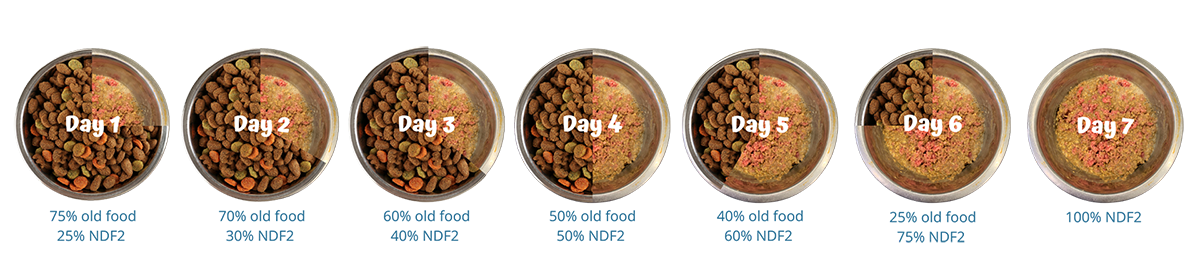
During this period, monitor your Labrador Retriever’s appetite, energy, and stool quality. Positive changes such as steady energy, good digestion, and enthusiasm at mealtime indicate that the new food is supporting their health. Providing fresh water and feeding consistent portions also helps maintain stability during the transition.
Signs Your Labrador Retriever Is Eating the Right Dog Food
When your Labrador Retriever is eating the right dog food, their overall condition reflects proper nutrition. They maintain a strong body, steady energy, and a healthy physical appearance.
A healthy Labrador has lean muscle, a defined body shape, and consistent energy throughout the day. Their coat appears smooth and glossy, and their skin remains healthy. Comfortable movement and willingness to stay active are also strong indicators of proper nutritional support.
Healthy digestion is another important sign. Regular bowel movements and good stool quality show that nutrients are being absorbed effectively.
Support Your Labrador Retriever With Volhard Dog Nutrition!
For more advice on dog nutrition, health, and training, contact us and check out our other blogs, too!
Volhard Dog Nutrition and its expert canine nutrition coaches offer online consultations to help more dog parents discover why and how to feed their dogs the healthiest foods!
Speaking to a Volhard canine nutrition coach will help you understand the inseparable relationship between healthy food, a healthy body, and a healthy mind.
If you want to contact one of our Volhard canine nutrition coaches, you can do so by utilizing our Live Chat feature or scheduling a consultation.
Resources
National Research Council. (2006). Nutrient requirements of dogs and cats. National Academies Press. https://nap.nationalacademies.org/resource/10668/dog_nutrition_final_fix.pdf
Hand, M. S. (Reviewed by PetMD Editorial). (n.d.). Dog nutrition: Guide to dog food nutrients. PetMD. Retrieved February 26, 2026, from https://www.petmd.com/dog/nutrition/evr_dg_whats_in_a_balanced_dog_food
Raffan, E., Dennis, R. J., O’Donovan, C. J., Becker, J. M., Scott, R. A., Smith, S. P., Withers, D. J., & Arendt, M. L. (2016). A deletion in the canine POMC gene is associated with weight and appetite in obesity-prone Labrador retrievers. Cell Metabolism, 23(5), 893–900. https://doi.org/10.1016/j.cmet.2016.04.012
Sypniewski, M., & Szydlowski, M. (2023). Genome-wide association study identifies genetic variants associated with body weight in Labrador retrievers. Frontiers in Genetics, 14, 1235821. https://doi.org/10.3389/fgene.2023.1235821