
Natural Tick and Flea Prevention for Dogs
Posted by Volhard Dog Nutrition on Jun 4th 2026
Fleas and ticks are more than just a seasonal nuisance. They can irritate your dog’s skin, spread disease, and trigger allergic reactions.
While chemical preventatives remain common, more dog owners are exploring holistic approaches that support the body from the inside out rather than relying solely on harsh topical treatments or medications.
Natural tick and flea prevention focuses on supporting skin health, coat condition, and overall wellness while helping make dogs less attractive to pests naturally.
Learn about the role nutrition, natural ingredients like garlic, and everyday prevention habits can play in helping reduce your dog’s exposure to fleas and ticks during high-risk seasons.
Best Tick and Flea Prevention for Dogs
The best tick and flea prevention for dogs is not always about using the strongest chemical treatment available.
Long-term prevention often starts with supporting the dog’s overall health, skin condition, and immune system while reducing the environmental factors that attract parasites in the first place.
Skin condition, coat quality, environmental exposure, and overall wellness may all influence how vulnerable dogs are to fleas and ticks.
A strong prevention plan usually combines several layers of protection. From proper nutrition that supports healthy skin and coat oils to regular grooming, which helps owners catch parasites early, to natural ingredients that may help make dogs less attractive to biting insects during peak flea and tick season.
Why More Dog Owners Are Looking for Natural Flea and Tick Prevention
Many dog owners are becoming more cautious about the long-term use of chemical flea and tick products, especially for dogs with sensitive skin, allergies, digestive issues, or existing health concerns.
Harsh topical and oral preventatives can cause skin irritation, lethargy, digestive upset, or behavioral changes in certain dogs, leading owners to explore gentler alternatives.
Instead of viewing fleas and ticks as an isolated problem, many owners now recognize the role nutrition, immune health, and skin function play in making dogs more or less vulnerable to parasites.
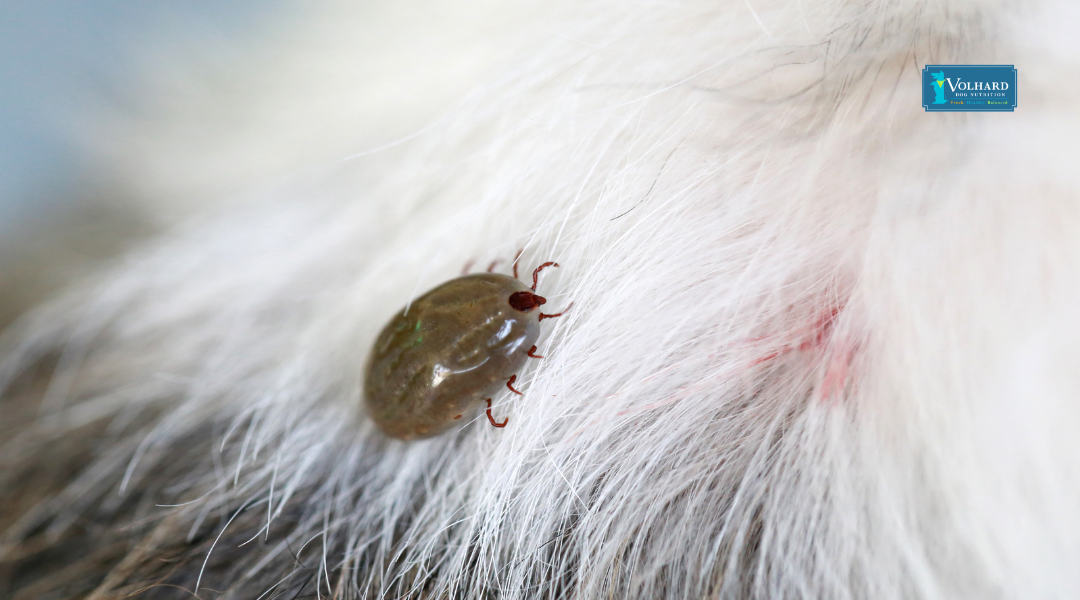
How Natural Tick and Flea Prevention Works
Natural tick and flea prevention focuses on supporting the dog’s body and environment in ways that make it harder for pests to thrive.
- Building a Stronger Immune System to Help Naturally Resist Pests: Dogs with stronger immune systems and balanced nutrition are often less attractive to fleas and ticks than dogs dealing with chronic inflammation, poor diet quality, or underlying health stress.
- Why Healthy Skin and Coat Condition Matter: The skin acts as the body’s first protective barrier. When skin becomes dry, irritated, inflamed, or imbalanced, it creates an environment that may be more appealing to fleas and other pests. Healthy coat oils help protect the skin surface while supporting a shinier, more resilient coat.
- Creating a Natural Barrier Against Biting Insects: Certain natural ingredients may help make dogs less appealing to biting insects during flea and tick season.
Garlic for Natural Flea and Tick Prevention
Garlic has been used for years as part of natural wellness routines for dogs, particularly during flea and tick season.
While it is often misunderstood, properly prepared garlic, used in appropriate amounts, can offer supportive benefits for skin health, immune function, and natural insect repellency when used responsibly.
How Garlic Helps Repel Fleas and Ticks Naturally
Garlic contains natural sulfur compounds that are released through the dog’s skin and coat oils after digestion.
These compounds create a scent and skin environment that may make dogs less appealing to fleas, ticks, and other biting insects.
Rather than killing parasites directly, garlic works more as a natural deterrent that helps reduce attraction over time.
Why Consistency Matters During Flea and Tick Season
Natural seasonal support methods are typically most effective when used consistently over time. Garlic needs to be fed consistently over time for the sulfur compounds to circulate through the skin and coat effectively.
Consistency is especially important during spring and summer when flea and tick populations increase. Occasional use may not provide the same level of support as a steady routine.
Garlic and Skin Health in Dogs
Garlic may also support healthier skin and coat condition when fed appropriately. Its natural antifungal and antibacterial properties can help support the skin from the inside out, particularly in dogs dealing with flaky skin, irritation, or poor coat quality.
Healthy skin and balanced coat oils play an important role in natural flea and tick prevention because parasites are more likely to thrive on compromised skin.
By supporting skin resilience and healthy oil production, garlic may help contribute to a shinier coat and a stronger natural protective barrier during flea and tick season.
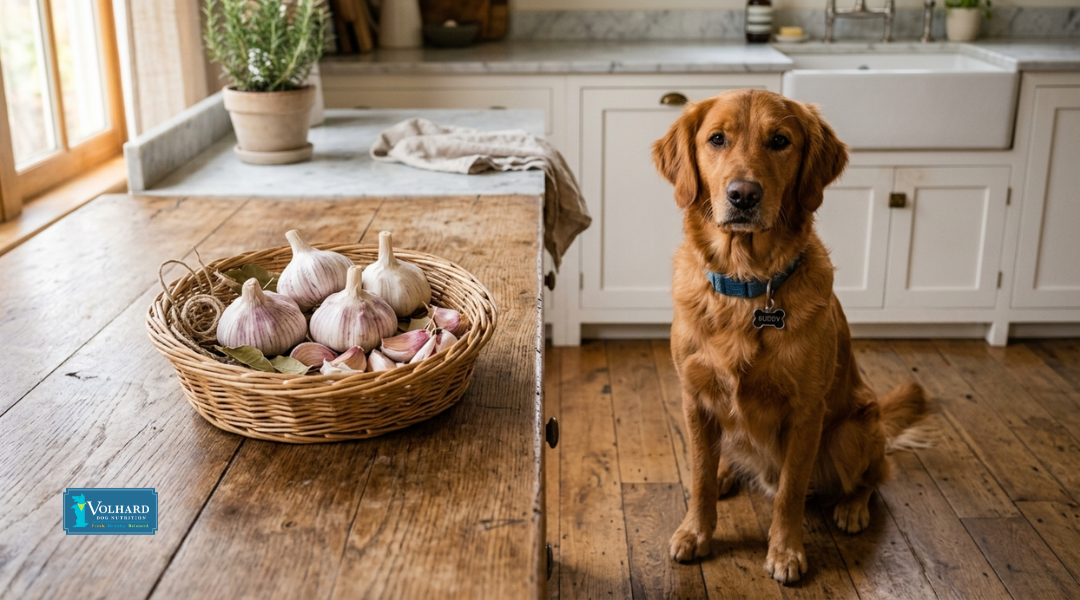
How to Safely Introduce Garlic to Your Dog’s Diet
When used correctly, garlic can be incorporated into a dog’s diet as part of a natural wellness and flea prevention routine.
- Start Gradually: Introduce garlic slowly so your dog’s digestive system has time to adjust. Beginning with a small amount allows you to monitor tolerance before working toward the appropriate serving size for your dog’s weight.
- Choose Fresh, High-Quality Garlic: Fresh organic garlic is generally preferred because it retains more of its natural beneficial compounds. Pre-minced, jarred, heavily processed, or preserved garlic products are often less effective and may contain unnecessary additives.
- Prepare Garlic Properly Before Feeding: Chopping, crushing, or mincing garlic activates allicin, a key beneficial compound associated with garlic's natural properties. Allowing the garlic to rest for roughly 10 to 15 minutes after preparation helps this activation process occur before serving.
- Feed Appropriate Amounts Based on Body Weight: Garlic should always be measured carefully according to the dog’s size rather than estimated casually.
Other Natural Flea and Tick Prevention Options for Dogs
Alongside nutrition and ingredients like garlic, many dog owners also use dog-safe herbs, grooming routines, and environmental management to help reduce exposure to pests during peak seasons.
Rosemary for Natural Flea and Tick Support
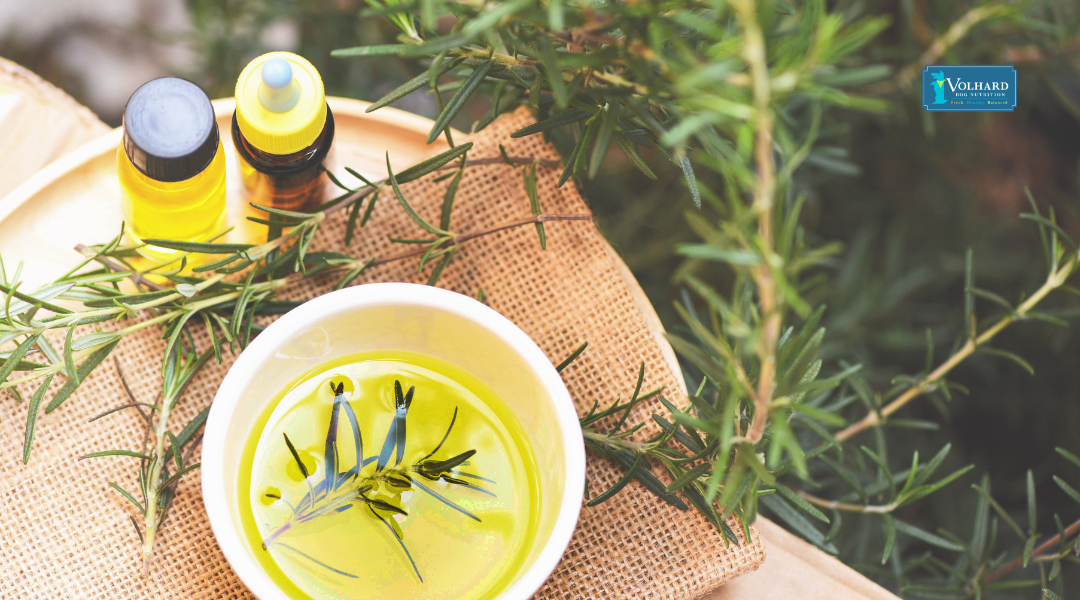
Rosemary is commonly used in natural pet care for its strong scent and plant compounds that may help discourage fleas and ticks.
It is often included in dog-safe sprays, shampoos, rinses, and grooming products designed for seasonal pest prevention.
Many owners use diluted rosemary rinses after bathing or choose grooming products that contain rosemary as part of a broader natural prevention routine.
Dog-Safe Herbal Sprays and Coat Rinses
Many natural grooming sprays and herbal rinses use ingredients such as rosemary, neem, cedarwood, lavender, or lemon eucalyptus in dog-safe concentrations to help discourage fleas and ticks naturally.
One commonly shared DIY option is to apply an essential oil blend to a bandana or collar rather than directly to the dog's skin or coat.
Essential Oil Repellent Spray Recipe
- 9 drops citronella essential oil
- 6 drops tea tree essential oil
- 6 drops peppermint essential oil
- 1 tbsp almond or jojoba oil
Mix the ingredients thoroughly and apply a small amount to your dog's bandana or collar before heading into tall grass, wooded trails, or other areas where fleas and ticks may be more prevalent.
Herbal sprays are not usually intended to replace proper grooming or prevention routines entirely.
Instead, they act as an additional layer of support that may help reduce attraction to biting insects while keeping the coat fresh and clean.
Natural Yard and Outdoor Prevention Methods
Outdoor prevention plays a major role in reducing exposure to fleas and ticks. Fleas and ticks thrive in damp, shaded, overgrown environments where they can easily attach to passing animals.
Keeping grass trimmed, removing leaf buildup, improving drainage, and limiting standing moisture can help reduce flea and tick activity around the home.
Washing outdoor bedding regularly and checking dogs after walks or hikes are also important habits during peak tick and flea season.
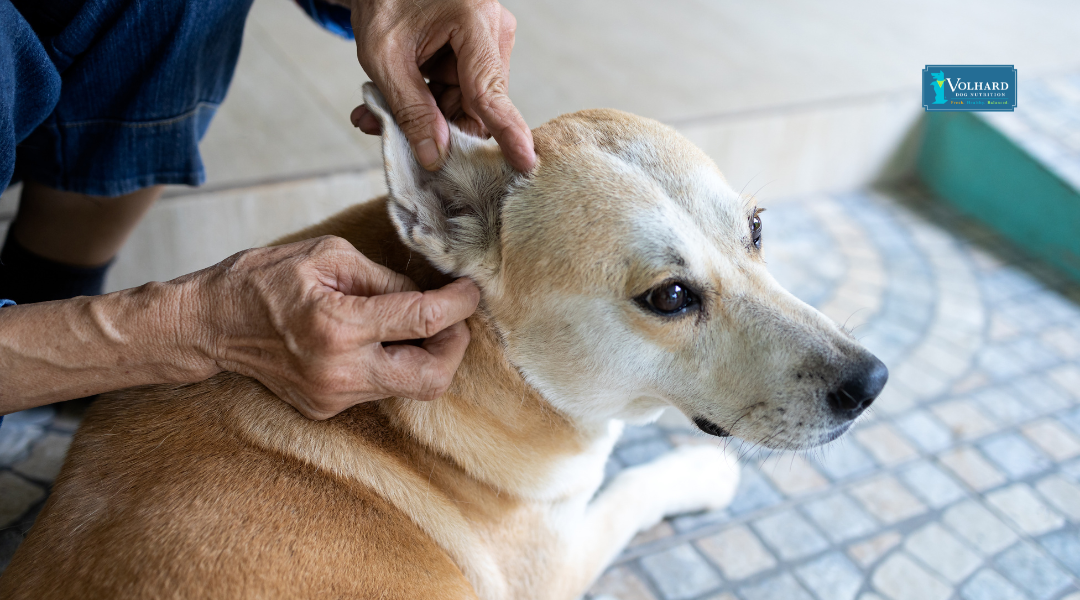
Support Your Dog Naturally This Flea and Tick Season with Volhard!
For more advice on dog nutrition, health, and training, contact us and check out our other blogs, too!
Volhard Dog Nutrition and its expert canine nutrition coaches offer online consultations to help more dog parents discover why and how to feed their dogs the healthiest foods!
Speaking to a Volhard canine nutrition coach will help you understand the inseparable relationship between healthy food, a healthy body, and a healthy mind.
If you want to contact one of our Volhard canine nutrition coaches, you can do so by utilizing our Live Chat feature or scheduling a consultation.
Reference List:
“Garlic for Dogs: Poison or Medicine?” Dogs Naturally Magazine, Dogs Naturally Magazine, www.dogsnaturallymagazine.com/garlic-for-dogs-poison-or-medicine/.
“Natural Flea & Tick Prevention: Using Garlic Safely.” K9 Excellence Worldwide, K9 Excellence Worldwide, k9exw.com/natural-flea-tick-prevention-using-garlic-safely.
Yamato, Osamu, et al. “Safety and Efficacy of Aged Garlic Extract in Dogs.” The Journal of Nutrition, vol. 148, no. 7, 2018, pp. 1787S–1791S, https://pubmed.ncbi.nlm.nih.gov/30497454/.