

Hypothermia in Dogs: Warning Signs and Prevention Tips
Posted by Volhard Dog Nutrition on Nov 12th 2024
Remember the heroic sled dogs in the tale of Balto, trekking through snowstorms and freezing temperatures to save the day?
While these canines are often portrayed as having super-animal endurance, most household dogs are not biologically designed to withstand prolonged cold exposure.
Even the hardiest pups can be at risk of hypothermia when temperatures drop, especially in winter, wet weather, or icy conditions.
As a devoted dog parent, recognizing the early warning signs of hypothermia and knowing how to prevent cold exposure is essential to keeping your dog safe, healthy, and warm.
Summary
- Dogs can develop hypothermia when their body temperature drops below normal, with signs including shivering, lethargy, and pale gums requiring immediate warming and veterinary care.
- Factors increasing hypothermia risk in dogs include size, coat type, age, health conditions, and breed, calling for proactive prevention measures like proper shelter and protective gear.
- Volhard Dog Nutrition offers online consultations to help dog owners understand the connection between healthy food, body, and mind, promoting overall canine well-being.
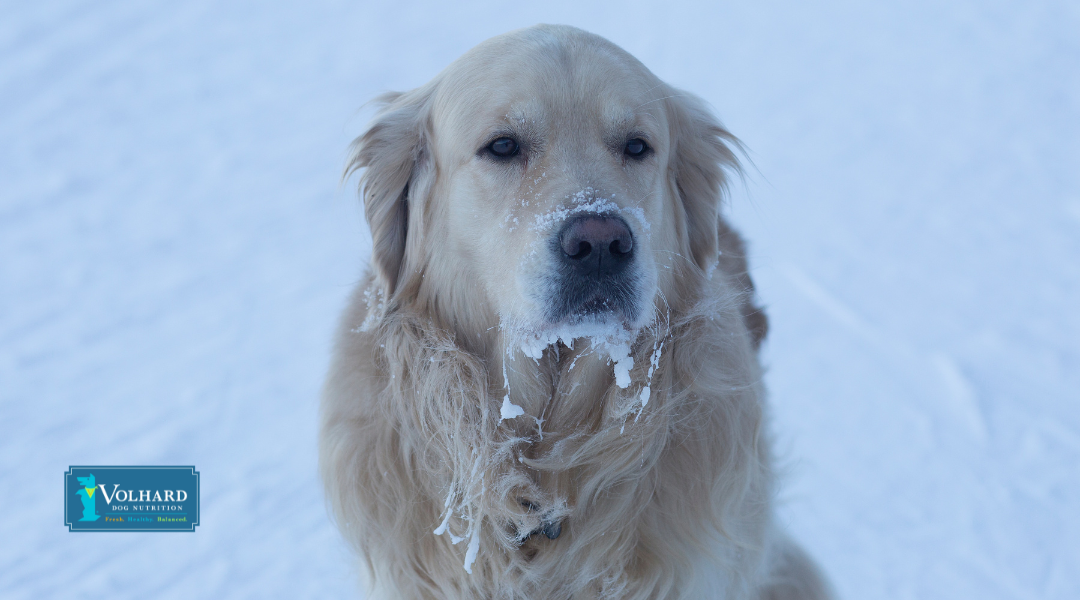
Can Dogs Get Hypothermia?
Yes, dogs can get hypothermia.
Hypothermia develops when a dog loses body heat faster than it can produce it, causing the core temperature to fall below the safe range.
This most often happens due to prolonged exposure to cold temperatures, wind, rain, snow, or damp environments, especially when adequate shelter is unavailable.
While dogs have natural warming mechanisms, they are not immune to cold stress, and repeated or extended exposure significantly increases risk.
Hypothermia vs. Hyperthermia
Understanding the difference is critical for dog safety.
- Hyperthermia occurs when a dog’s body temperature rises above normal due to excessive heat, humidity, or overexertion, often leading to heatstroke.
- Hypothermia occurs when a dog’s body temperature drops below 101°F (38.3°C), impairing normal organ function.
Both conditions are medical emergencies that require immediate attention.
How Does Hypothermia Affect Dogs?
When a dog becomes hypothermic, multiple body systems are affected:
- Slowed Metabolism: Energy production drops, leading to lethargy, weakness, and poor coordination.
- Cardiovascular Stress: Reduced circulation causes irregular heart rhythms and lowered blood pressure.
- Respiratory Suppression: Breathing becomes slow and shallow as the body conserves energy.
- Organ Dysfunction: Severe or prolonged hypothermia can result in organ failure, loss of consciousness, or death if untreated.

Why are Some Dogs More Prone to Hypothermia?
Not all dogs are equally equipped to handle cold temperatures, and several factors can increase the risk of developing hypothermia:
- Size and Weight: Small dogs or those with low body weight lose body heat faster, making them more susceptible to mild hypothermia during cold weather.
- Coat Type: Dogs with short or thin coats lack the natural insulation needed to maintain an average body temperature in cold environments.
- Age: Puppies and senior dogs often have trouble regulating body temperature due to their developing or declining metabolic functions.
- Health Conditions: Health problems like low blood sugar or cardiovascular issues can impair a dog’s ability to stay warm, increasing the risk of hypothermia.
- Breed: Certain breeds not adapted to colder climates are at increased risk compared to breeds bred for snow and cold environments.
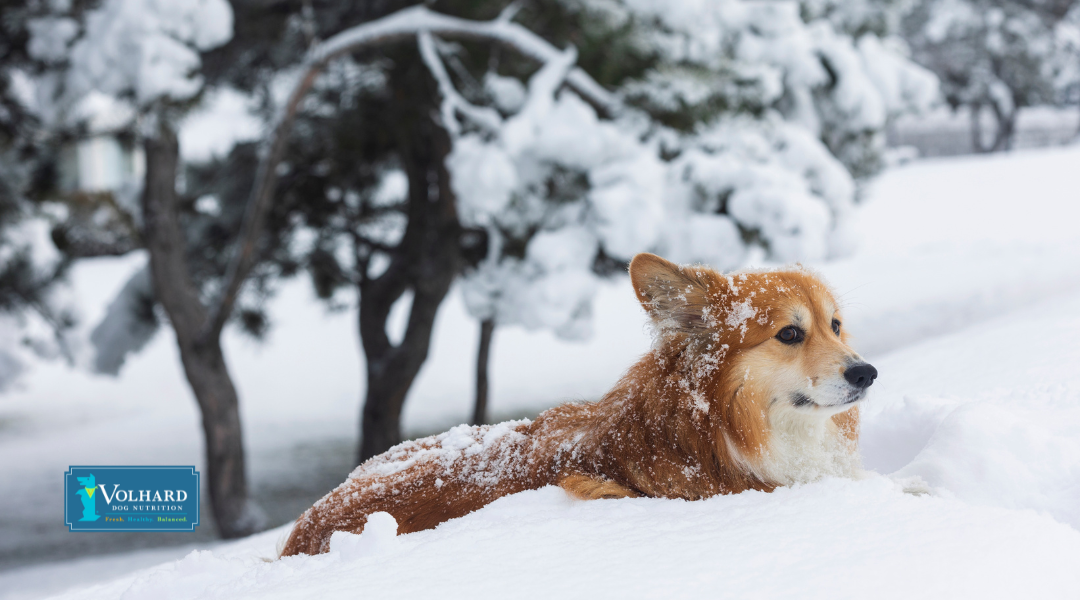
7 Signs of Hypothermia Every Dog Parent Should Know
- Shivering and Trembling: A common sign when a dog's temperature falls.
- Lethargy and Weakness: Unusual sluggish behavior due to a drop in body heat.
- Stiffness and Difficulty Walking: Muscles become stiff as body temperature drops.
- Pale or Blue Gums: Indicates poor blood circulation and an abnormally low body temperature.
- Slow Breathing and Heart Rate: Critical signs that body functions are slowing in response to cold temperatures.
- Dilated Pupils: May indicate severe hypothermia and significant distress.
- Loss of Consciousness: Occurs in severe cases when a dog's core temperature falls to dangerous levels.
What are the Severe Symptoms of Hypothermia in Dogs?
One of the most alarming symptoms is seizures, which occur due to a significant disruption in the body's ability to regulate functions, resulting in involuntary muscle contractions. If left untreated, severe hypothermia can lead to cardiac arrest, where the heart fails to pump effectively, putting the dog's life at immediate risk.
Organ failure may occur as critical organs lose the ability to function properly due to inadequate blood flow and oxygen delivery. When these symptoms are present, it is crucial to seek veterinary care immediately to prevent irreversible damage and save the dog's life.

What Should I Do if My Dog Experiences Hypothermia?
- Move to a Warm Area: To prevent further heat loss, bring your dog indoors or to a sheltered, warm location.
- Dry Thoroughly: Gently dry the wet fur using towels or blankets to reduce moisture.
- Warm Gradually: Focus on the core areas, such as the chest and abdomen, using warm blankets, heating pads set on low, or warm water bottles wrapped in a towel. Avoid using hot items to prevent burns.
- Monitor Temperature: If available, use a rectal thermometer to monitor your dog’s body temperature. A drop below 99°F (37.2°C) indicates a need for immediate veterinary care.
- Offer Warm Fluids: If your dog is conscious, offer lukewarm water to help increase body heat internally.
Wet Fur Contributes to Hypothermia, What You Can Do to Prevent It
Wet fur significantly increases the risk of hypothermia as it loses its insulating properties, allowing body heat to escape more easily.
After baths, swimming, or being caught in the rain, ensure your dog's fur is completely dry to maintain body temperature. When outdoors in cold temperatures, equip your dog with a waterproof coat to protect against rain or snow. Keep the coat clean and free of mats, which can trap moisture and reduce insulation.
When Should I Contact a Veterinarian?
You should contact a veterinarian immediately if your dog shows signs of severe hypothermia, such as unresponsiveness, seizures, or an irregular heartbeat. Other alarming symptoms include the inability to stand or walk, pale or blue gums, and slow heart rate.
Even in cases of mild hypothermia, consulting a veterinarian is advisable to prevent the situation from progressing. Professional guidance can be critical to stabilizing your dog's body temperature, ensuring appropriate treatment, and reducing the risk of long-term complications.
How to Keep Your Dog Warm During Cold Weather
Ensure your dog has access to a warm, dry, and draft-free shelter that keeps them comfortable during colder months.
Adding protective clothing and gear, such as jackets or sweaters, especially for short-haired breeds, can provide additional insulation. Booties help protect your dog’s paws from ice and cold ground, reducing the risk of injury or frostbite.
Maintaining a healthy diet is also vital, as proper nutrition helps support your dog's overall health and ability to regulate body temperature. Regular exercise helps keep your dog active, generates body heat, and improves blood circulation, but during extreme cold, keep outdoor activities short.

Keep Your Dog Healthy and Warm This Winter with Volhard!
For more advice on dog nutrition, health, and training, contact us and check out our other blogs, too!
Volhard Dog Nutrition and its expert canine nutrition coaches offer online consultations to help more dog parents discover why and how to feed their dogs the healthiest foods!
Speaking to a Volhard canine nutrition coach will help you understand the inseparable relationship between healthy food, a healthy body, and a healthy mind.
If you want to contact one of our Volhard canine nutrition coaches, you can do so by utilizing our Live Chat feature or scheduling a consultation.
References
- Brodeur, Andrea, et al. “Hypothermia and targeted temperature management in cats and dogs.” Journal of Veterinary Emergency and Critical Care, vol. 27, no. 2, 25 Jan. 2017, pp. 151–163, https://doi.org/10.1111/vec.12572.
- “Hypothermia in Dogs: How Cold Is Too Cold?” American Kennel Club, American Kennel Club, 31 Jan. 2023, www.akc.org/expert-advice/health/hypothermia-in-dogs-how-cold-is-too-cold/. Accessed 7 Oct. 2024.
- “Signs of Hypothermia in Dogs and What to Do about It.” Hastings Veterinary Hospital, 30 Nov. 2021, hastingsvet.com/signs-hypothermia-dogs/. Accessed 7 Oct. 2024.