

Springtime Challenges for Dogs: Irritants, Allergies, and How to Build Resilience
Posted by Volhard Dog Nutrition on Apr 23rd 2026
Spring is a wonderful reset after winter, but it also introduces a different set of challenges that many dog owners do not immediately notice.
As the environment shifts, so does your dog’s exposure to spring allergies and irritants that can affect their comfort, behavior, and overall health.
What seems like a normal part of the season can place added stress on their skin, immune system, and digestion. For some dogs, this shows up as itching, licking, or ear irritation. For others, it may appear as subtle changes in mood, focus, or energy.
Understanding what your dog is exposed to during spring is the first step. The next is knowing how to support them in ways that build resilience rather than simply reacting to symptoms.
Seasonal Shifts That Affect Your Dog’s Environment
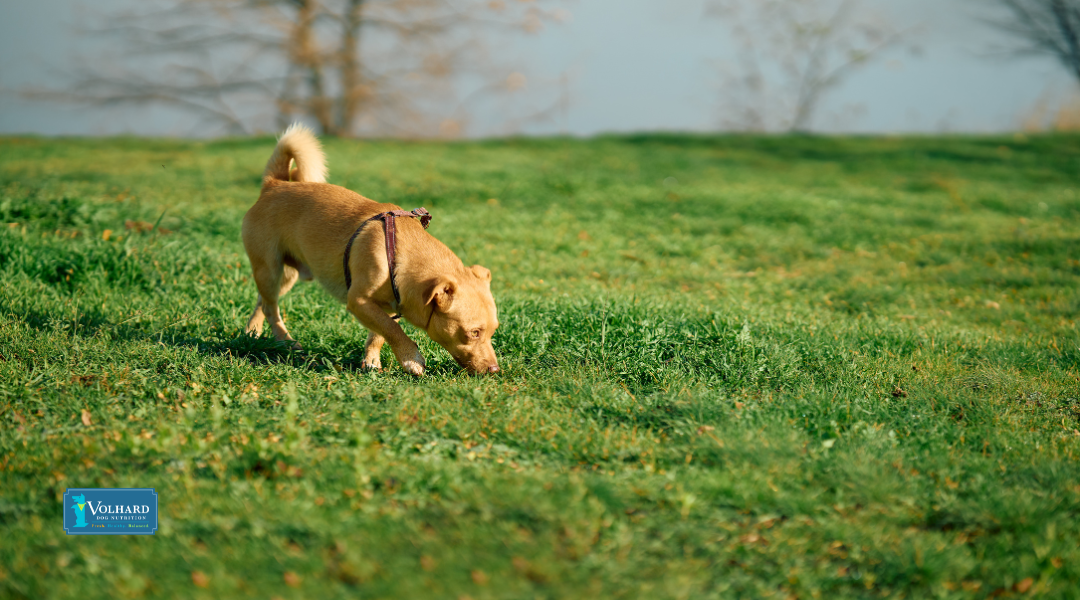
Dogs tend to spend more time outside. Longer walks, park visits, and time in the garden all increase exposure to these seasonal elements.
What feels like a positive lifestyle shift can quietly introduce new stressors that affect your dog’s skin, paws, and overall balance.
Common Spring Irritants Dogs Are Exposed To
Spring introduces a mix of natural and man-made irritants that dogs come into contact with daily, which can settle on their coat, be absorbed through the skin, or be ingested during normal grooming behavior. Over time, repeated exposure can contribute to irritation, sensitivity, and changes in comfort.
Pollen from Grass, Trees, and Weeds
Pollen is one of the most widespread seasonal irritants. It becomes airborne and settles on your dog’s fur, paws, and skin during walks or time outdoors. Because dogs are in constant contact with the ground and vegetation, their exposure is often much higher than ours.
Once pollen collects on the body, it can lead to itching, licking, and general irritation. It is also easily brought into the home, where it continues to affect your dog even after outdoor time has ended.
Freshly Cut Grass and Lawn Mowing
Mowing releases fine particles into the air and spreads grass debris across the ground. These small fragments can cling to your dog’s coat and settle between their toes.
In addition, recently cut lawns may expose dogs to plant sap and residues that were previously contained within the grass. Combined with the physical irritation of short, sharp grass edges, this can contribute to discomfort, especially for dogs with sensitive skin.
Pesticides, Herbicides, and Lawn Treatments
Spring is a peak time for treating lawns and outdoor spaces. Products designed to control weeds, insects, and pests are commonly applied in gardens, parks, and shared areas. While these treatments are intended for plants, dogs are often directly exposed through their paws and skin.
Residue can be picked up during walks and later ingested when dogs groom themselves. Even small, repeated exposure can place added stress on the body and contribute to irritation or imbalance over time.
Fertilizers and Garden Chemicals
Fertilizers are used to promote rapid plant growth during spring, but they can also introduce substances that are not ideal for regular contact. These products often remain on the surface of the soil or grass for extended periods, increasing the likelihood of exposure.
Dogs walking, rolling, or playing in treated areas can absorb these chemicals through their skin or carry them into the home. This ongoing contact can affect both external comfort and internal balance.
Mold, Damp Soil, and Decaying Plant Matter
Spring moisture creates the perfect conditions for mold and organic breakdown. Damp soil, fallen leaves, and shaded areas can harbor mold spores and bacteria that are not always visible.
Dogs exploring these environments can come into contact with these irritants through digging, sniffing, or lying on the ground. For some dogs, this exposure contributes to skin sensitivity or general discomfort, especially when combined with other seasonal factors.

Recognizing Signs of Seasonal Allergies in Dogs
Seasonal allergies do not always present in obvious ways. While some dogs show clear physical signs, others experience more subtle changes that can easily be overlooked or mistaken for behavioral issues.
Paying attention to small shifts in your dog’s habits, comfort, and routine can help you identify when something is not quite right.
- Itching, Licking, and Chewing:
One of the most common signs is increased scratching or licking, especially around the paws, belly, and legs. Dogs may chew at their feet or rub against surfaces to relieve irritation. This behaviour is often linked to contact with pollen, grass, or other environmental irritants that settle on the skin.
- Ear Irritation and Skin Sensitivity:
Ears may become red, warm, or produce more wax than usual. Some dogs shake their head or scratch at their ears more frequently. You may also notice general skin sensitivity, including redness or dry patches, which can indicate that the body is reacting to external triggers.
- Digestive Changes and Internal Stress:
Seasonal exposure does not only affect the outside of the body. Some dogs experience changes in digestion, such as looser stools, gas, or a reduced appetite. These signs can reflect internal stress, as the body works to process and respond to environmental irritants.
- Behavioral Shifts Linked to Discomfort:
Discomfort can influence how your dog behaves day to day. You may notice restlessness, reduced focus, or lower tolerance during training and interaction. Some dogs become more withdrawn, while others appear unsettled or reactive. These changes are often a reflection of underlying discomfort rather than a training issue.
How to Reduce Exposure to Spring Irritants
While it is not possible to eliminate all seasonal irritants, small, consistent habits can significantly reduce your dog’s overall exposure.
Spring brings a higher concentration of environmental triggers, so being mindful of when, where, and how your dog interacts with their surroundings can make a noticeable difference in their comfort and well-being.
The goal is not to restrict your dog’s lifestyle, but to support them in navigating the season with less stress on their system.
Timing Walks Around Lawn Care and Pollen Peaks
Pollen levels tend to be highest in the early morning and late afternoon, and this is often when lawns are mowed or treated. Adjusting walk times to later in the evening or after rain can help reduce exposure. Being aware of when your local area carries out lawn care can also help you avoid freshly cut or treated spaces.
Rinsing Paws and Coat After Outdoor Time
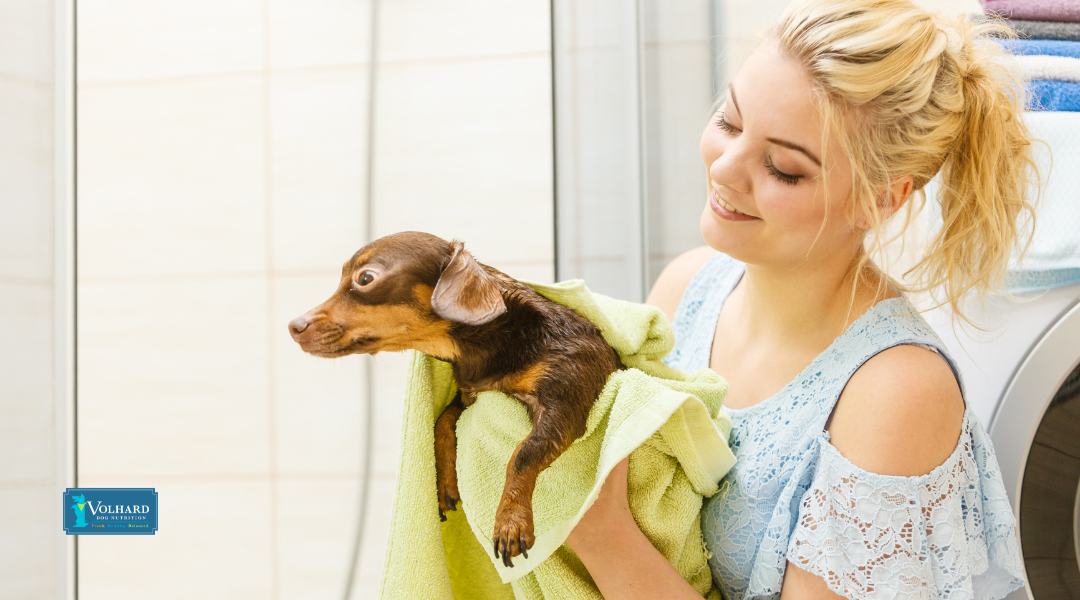
After walks or time outside, gently rinsing your dog’s paws and lower coat can help remove pollen, grass particles, and chemical residue. This simple habit prevents irritants from lingering on the skin or being ingested during grooming. Even a quick wipe down can reduce ongoing exposure once your dog is back indoors.
Avoiding Recently Treated Grass and Surfaces
Parks, sidewalks, and gardens are often treated with pesticides, herbicides, and fertilizers during spring. Avoiding areas that have been recently sprayed or where signage indicates treatment can help limit contact. When in doubt, choosing untreated or natural areas can provide a safer alternative for regular walks.
Creating a Cleaner Home Environment
Spring irritants are easily brought indoors on your dog’s coat and paws. Regularly cleaning floors with natural cleaners instead of chemical cleaners, and using an air purifier that maintains good airflow, washing bedding, and maintaining good airflow can help reduce the buildup of pollen and other particles in your home. Keeping your dog’s resting areas clean and dry also supports their overall comfort.

Building Resilience from the Inside Out
Reducing exposure is only one part of the equation. Supporting your dog internally helps them handle seasonal changes more effectively. A well-nourished body is better equipped to maintain balance, respond to environmental stressors, and recover from daily exposure.
Rather than focusing only on external management, building resilience from within creates a stronger, more stable foundation for long-term health.
Supporting the Body with Fresh, Whole Food Nutrition
Nutrition plays a central role in how your dog responds to seasonal challenges. Diets made from fresh, whole ingredients provide naturally occurring nutrients that support the body’s normal functions, including skin health, digestion, and overall balance.
Volhard’s approach to nutrition is built on this principle. Focusing on minimally processed, whole food diets supports dogs with consistent, biologically appropriate nourishment. This may help reduce unnecessary dietary stress and provide a steady foundation that allows your dog to better handle environmental changes throughout the year.
Gentle Detox with Liver Tonic
Resilience is not only about what goes into the body, but also how efficiently the body processes and clears what it does not need. The liver plays a central role in this.
When the liver is functioning well, it helps:
- Filter and process environmental toxins
- Support normal histamine regulation
- Maintain balance across multiple systems, including skin and digestion
For dogs that struggle during seasonal shifts, particularly those showing signs of heightened histamine response such as itching, inflammation, or recurring sensitivities, supporting liver function can be a valuable part of a broader approach.
Where Liver Support Fits In
Liver Tonic is commonly used in dogs and cats that may be dealing with:
- Seasonal allergies and histamine sensitivity
- Skin flare-ups or recurring irritation
- Increased toxic load from environment or diet
- More complex conditions where liver function may be under strain
The goal is to support the body’s ability to regulate itself more effectively. When detoxification pathways are functioning well, the body is often better able to maintain balance and respond to external stressors.
Stay Ahead of Seasonal Allergens with Volhard!
For more advice on dog nutrition, health, and training, contact us and check out our other blogs, too!
Volhard Dog Nutrition and its expert canine nutrition coaches offer online consultations to help more dog parents discover why and how to feed their dogs the healthiest foods!
Speaking to a Volhard canine nutrition coach will help you understand the inseparable relationship between healthy food, a healthy body, and a healthy mind.
If you want to contact one of our Volhard canine nutrition coaches, you can do so by utilizing our Live Chat feature or scheduling a consultation.
References:
“Dog Seasonal Allergies: Causes, Symptoms, and Treatment.”
Friendly Animal Clinic, 30 Mar. 2024,
https://www.greensboroncvet.com/site/friendly-animal-clinic-blog/2024/03/30/dog-seasonal-allergies.
“Dog Allergies: Causes, Symptoms, and Treatments.”
American Kennel Club (AKC),
https://www.akc.org/expert-advice/health/dog-allergies-causes-treatment/.
“Inhalant Allergies (Atopy) in Dogs.”
VCA Animal Hospitals,
https://vcahospitals.com/know-your-pet/inhalant-allergies-atopy-in-dogs.
“Seasonal Allergies in Dogs.”
PetMD,
https://www.petmd.com/dog/conditions/skin/seasonal-allergies-dogs.
“Signs Your Pet Has Seasonal Allergies and What You Can Do to Help.”
Animal Humane Society,
https://www.animalhumanesociety.org/resource/signs-your-pet-has-seasonal-allergies-and-what-you-can-do-help.
“Canine Allergens and Environmental Exposure.”
PubMed Central (PMC), U.S. National Library of Medicine,
https://pmc.ncbi.nlm.nih.gov/articles/PMC9574881/.
“Pesticide Poisoning in Dogs.”
PetMD,
https://www.petmd.com/dog/poisoning/pesticide-poisoning-in-dogs.