

Dog Injury Recovery: How Integrative Care Can Support Healing and Mobility
Posted by Volhard Dog Nutrition on Jul 23rd 2026
Whether your dog is healing from surgery, dealing with a soft tissue injury, or recovering from a mobility issue, pet owners want to do everything possible to help them regain strength, comfort, and confidence.
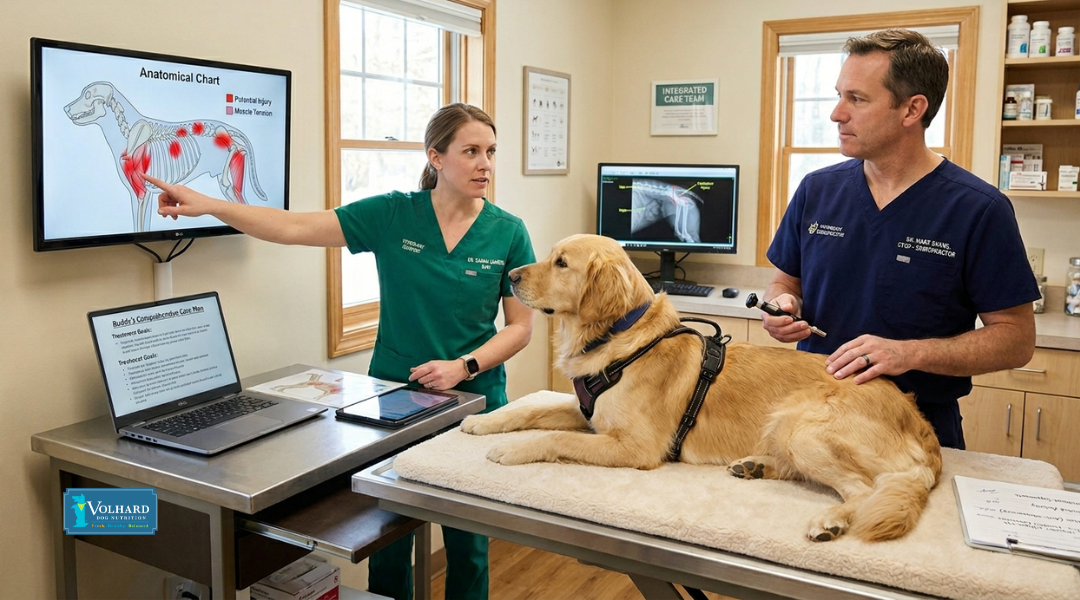
Rather than relying on a single treatment or therapy, integrative care combines different forms of support to address the whole dog.
Depending on the individual situation, this may include veterinary treatment, chiropractic care, rehabilitation exercises, acupuncture, massage therapy, and a nutrient-rich diet designed to support recovery.
What Is Integrative Care for Dogs?
When a dog is recovering from an injury, there is rarely a single treatment that does all the work.
Healing is a complex process that involves the muscles, joints, nervous system, connective tissues, and the body's overall health.
Integrative care takes a whole-dog approach, combining multiple therapies and strategies to support recovery.
The goal is to create a comprehensive plan that supports both recovery and long-term wellbeing.
For many dogs, this approach can help improve comfort, encourage healthy movement, and provide support throughout every stage of the healing process.
Combining Conventional and Complementary Therapies
Integrative care brings together veterinary medicine and complementary therapies to provide a broader support system for the dog.
Conventional care may include veterinary examinations, diagnostic testing, medications, surgical procedures, and rehabilitation protocols. Complementary therapies can include chiropractic care, acupuncture, massage therapy, therapeutic exercise, hydrotherapy, and nutritional support.
As Dr. Melissa Shaw discussed on the Volhard Pack Podcast, chiropractic care is not intended to replace veterinary treatment. Instead, it works alongside veterinary care to support mobility, nervous system function, and overall movement.
This collaborative approach allows each therapy to contribute its unique strengths while keeping the dog's health and safety as the top priority.
How Different Care Providers Work Together
One of the greatest strengths of integrative care is collaboration. Veterinarians, rehabilitation specialists, chiropractors, nutrition professionals, and other practitioners can work together to support the same goal: helping the dog recover as effectively as possible.
When care providers communicate and share information, dogs benefit from a more coordinated approach.
Each professional contributes their expertise while ensuring therapies complement one another throughout the recovery journey.
Creating a Personalized Recovery Plan for Your Dog
No two injuries are exactly alike, and neither are the dogs recovering from them. Factors such as age, breed, activity level, overall health, and the nature of the injury all influence the recovery process.
A personalized recovery plan may include veterinary treatment, rehabilitation exercises, chiropractic care, activity modifications, and nutritional adjustments designed to support healing.
The plan should evolve as the dog progresses, with regular evaluations to ensure their needs continue to be met.
Nutrition is an especially important component of an individualized recovery plan. The body requires adequate protein, essential nutrients, and quality ingredients to repair tissues, maintain muscle mass, and support overall health during recovery.
By combining professional guidance, appropriate therapies, and a strong nutritional foundation, pet owners can help give their dogs the support they need to recover, regain mobility, and return to the activities they enjoy.
Therapies That May Support Holistic Recovery
Recovering from an injury often requires more than simply treating the affected area. A holistic recovery approach considers the entire dog, including their mobility, comfort, strength, nervous system function, and overall wellbeing.
Chiropractic Care
Chiropractic care focuses on supporting proper movement and nervous system function by addressing restrictions within the joints and spine.
Chiropractic care may help improve mobility, encourage balanced movement patterns, and support the body's natural ability to function efficiently.
For dogs recovering from injury, chiropractic care is often used alongside veterinary treatment and rehabilitation programs. Supporting proper biomechanics and reducing compensation patterns may help dogs throughout their recovery process.
Physical Rehabilitation Therapy
Physical rehabilitation therapy is designed to help dogs regain strength, balance, flexibility, and coordination following an injury or surgery.
Similar to physical therapy for humans, rehabilitation programs often include targeted exercises, stretching routines, balance work, and controlled movement activities.
Acupuncture and Pain Management Approaches
Acupuncture has become an increasingly popular complementary therapy in veterinary medicine.
By stimulating specific points on the body, acupuncture may help support circulation, encourage relaxation, and assist with pain management.
For some dogs, acupuncture is incorporated into a broader recovery plan alongside chiropractic care, rehabilitation exercises, and medical treatment.
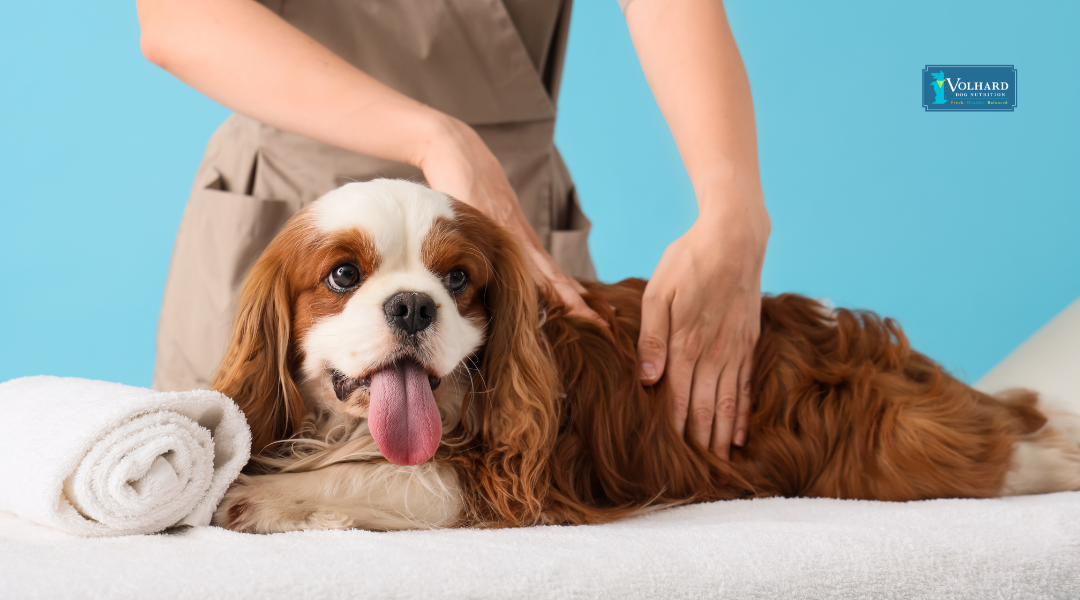
Massage Therapy and Soft Tissue Support
Injuries often affect more than bones and joints. Muscles, tendons, ligaments, and other soft tissues can become tight, overworked, or strained as the body compensates for discomfort.
Massage therapy enhanced with essential oils may help reduce muscle tension, improve circulation, and support relaxation.
Veterinary Guidance and Medical Care
Every recovery plan should begin with veterinary guidance.
Veterinarians play a critical role in diagnosing injuries, identifying underlying conditions, recommending treatment options, and monitoring progress throughout recovery.
Veterinary oversight helps ensure that each therapy is appropriate for the dog's condition and that all aspects of care are working together safely and effectively.
Veterinarians play a critical role in diagnosing injuries, identifying underlying conditions, recommending treatment options, and monitoring progress throughout recovery.
Their expertise helps ensure that each therapy is appropriate for the dog's specific condition and that all aspects of care work together safely and effectively.
In some cases, pet owners may also choose to consult a holistic veterinarian.
Holistic vets often take a broader approach to health, considering factors such as nutrition, lifestyle, stress levels, environmental influences, and overall wellness in addition to traditional medical treatments.
They may recommend dietary adjustments, supplements, rehabilitation therapies, or other complementary approaches that support the body's natural healing processes.
A holistic perspective can provide a more complete understanding of your dog's health and may help identify additional options to support recovery.
Remember, your pet's health and your peace of mind are paramount, so exploring different avenues for their care can make a significant difference.

The Role of Nutrition in Healing and Recovery
When a dog is recovering from an injury, the body is working hard behind the scenes. Damaged tissues need to be repaired, muscles may need to be rebuilt, and the immune system is actively supporting the healing process. All of these functions require energy and nutrients.
While therapies such as chiropractic care, rehabilitation exercises, and veterinary treatment can support recovery, nutrition provides the foundation that enables the body to heal.
Without adequate nutrition, the recovery process may be slower, and the body may struggle to maintain muscle mass, tissue integrity, and overall health.
This is why nutrition should be viewed as an essential part of any comprehensive recovery plan.
Recovery Starts with Proper Nutrition
Healing is one of the most nutritionally demanding processes the body experiences. Following an injury or surgery, dogs often require additional nutritional support to help maintain strength and support tissue repair.
Feeding nutrient-dense, whole-food ingredients can help ensure your dog receives the building blocks needed to support recovery while maintaining a healthy body condition.
Proper nutrition also helps support immune function, which plays an important role in the body's natural healing response. When dogs receive balanced nutrition during recovery, they are better equipped to support normal tissue repair and return to activity when appropriate.
Key Nutrients That Support Muscle, Joint, and Tissue Health
Several nutrients play important roles in maintaining mobility and supporting recovery:
- High-Quality Protein helps provide the amino acids needed to repair and maintain muscle tissue, tendons, ligaments, and other structural components of the body.
- Omega-3 Fatty Acids support normal inflammatory responses and contribute to overall joint, skin, and cellular health.
- Vitamins and Minerals help support countless functions involved in healing, including tissue maintenance, immune health, bone strength, and energy production.
- Antioxidants help protect cells from oxidative stress that can occur during periods of injury and recovery.
- Healthy Fats provide a concentrated source of energy and support nutrient absorption, cellular function, and overall wellness.
At Volhard Dog Nutrition, we believe that food should do more than simply satisfy hunger.
A thoughtfully formulated, whole-food diet helps provide the nutrients dogs need to maintain strong muscles, healthy joints, and resilient tissues throughout every stage of life.
Support Recovery and Long-Term Health with Volhard!
For more advice on dog nutrition, health, and training, contact us and check out our other blogs, too!
Volhard Dog Nutrition and its expert canine nutrition coaches offer online consultations to help more dog parents discover why and how to feed their dogs the healthiest foods!
Speaking to a Volhard canine nutrition coach will help you understand the inseparable relationship between healthy food, a healthy body, and a healthy mind.
If you want to contact one of our Volhard canine nutrition coaches, you can do so by utilizing our Live Chat feature or scheduling a consultation.
References:
American Animal Hospital Association. (2020). What is veterinary physical rehabilitation? American Animal Hospital Association. From https://www.aaha.org/resources/what-is-veterinary-physical-rehabilitation/
Mille, M. A., Bockstahler, B. A., Skalicky, M., & Wittek, K. (2023). Physiotherapeutic strategies and their current evidence for canine osteoarthritis. Veterinary Sciences, 10(1), 36. https://doi.org/10.3390/vetsci10010036
Purdue University College of Veterinary Medicine. (n.d.). Physical rehabilitation. Purdue University Veterinary Hospital. From https://vet.purdue.edu/hospital/small-animal/services/physical-rehabilitation.php
Shmalberg, J. (2015, July/August). Canine rehabilitative nutrition. Today's Veterinary Practice.https://todaysveterinarypractice.com/nutrition/canine-performance-rehabilitative-nutrition-part-2-canine-rehabilitative-nutrition/
Volhard Dog Nutrition. (2026). Volhard Pack Podcast: Dr. Melissa Shaw [Audio podcast episode]. Spotify. https://open.spotify.com/episode/0DfYba4YjI2G4UhFyBRUtd
World Small Animal Veterinary Association. (n.d.). Global nutrition guidelines. World Small Animal Veterinary Association. From https://wsava.org/global-guidelines/global-nutrition-guidelines/
VetFinder – Find a Holistic Veterinarian. American Holistic Veterinary Medical Association, American Holistic Veterinary Medical Association, https://www.ahvma.org/find-a-holistic-veterinarian/.